

The Secret to Sushi & Sake Pairing: Akazu vs Shirozu
Most people focus on the fish, but the true master code of sushi pairing lies in the rice. Discover how red and white vinegar changes everything.
When thinking about sushi pairing, most diners naturally focus on the topping—the "neta" (fish). However, the true structural foundation of sushi flavor, and therefore the ultimate key to pairing with Japanese sake, is actually the "shari" (sushi rice).
In the modern high-end sushi scene, chefs meticulously choose between traditional Akazu (Red Vinegar) and clean Shirozu (White Vinegar). Each resonates with entirely different types of sake. In this guide, we break down the fundamental rules of sushi pairing starting from the vinegar itself.
1. Akazu (Red Vinegar): The Bridge of Umami
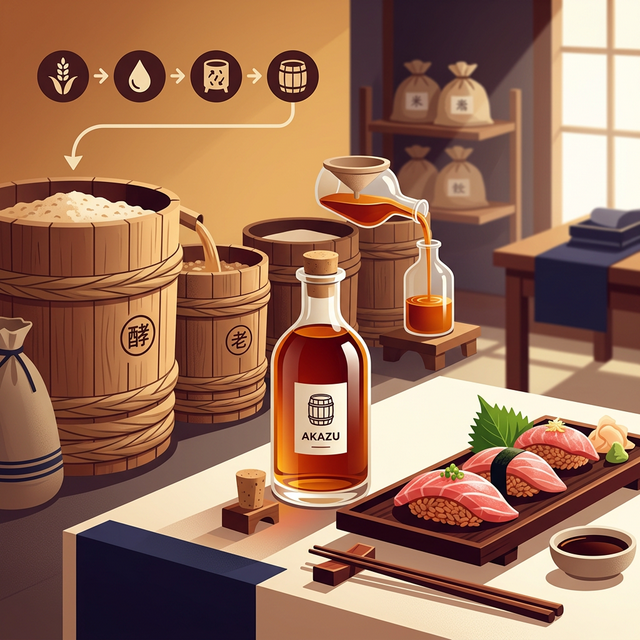
A hallmark of traditional Edomae (Tokyo-style) sushi, Akazu is made from sake lees (the byproduct of sake production) that have been aged for 3 to 5 years. Through a long Maillard reaction, the clear liquid transforms into a deep amber color.
The taste is not merely sour; it possesses a rounded, mellow acidity and an overwhelming depth of umami derived from the sake lees. Because Akazu rice has such a strong personality, it pairs magnificently with fatty tuna (toro), intensely flavored silver-skinned fish, and aged toppings.
Pairing Logic for Akazu
The Rule: Align with the depth of umami.
Recommended Sake: Choose a robust, full-bodied sake. Look for Junmai, Kimoto, or Yamahai styles. The subtle aged aroma of the red vinegar synchronizes perfectly with the complex acidity and rich umami of these sakes, melting together beautifully on the palate.
Recommended Sake for Akazu:


2. Shirozu (White Vinegar): The Art of The Clean Cut
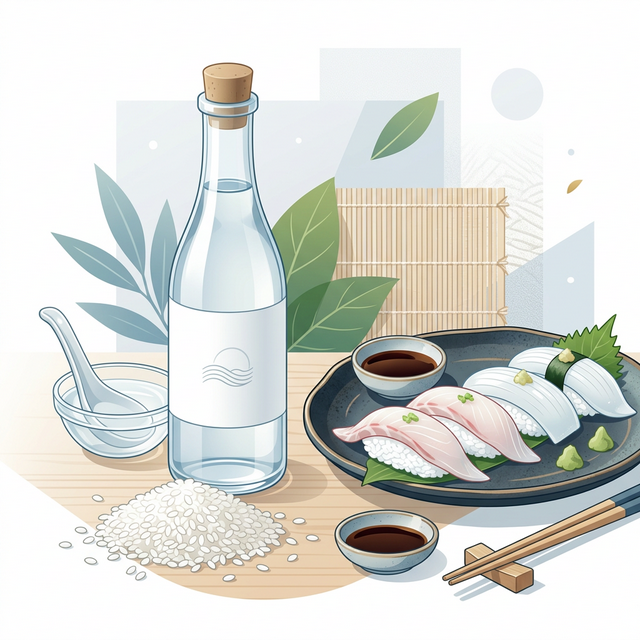
Conversely, Shirozu, commonly used in Kansai-style sushi and many modern establishments, is made directly from rice. Its key characteristics are transparency, lower amino acid content, and a sharp, clean acidity. The flavor profile is light and crisp.
Shirozu rice acts as a "pure white canvas" that elevates the natural flavors of the ingredients without interfering with their delicate colors or aromas. Its sharp acidity also serves as an excellent palate cleanser.
Pairing Logic for Shirozu
The Rule: Align with the crisp, refreshing sensation. Avoid heavy, aged sakes that would crush the delicate agility of the white rice.
Recommended Sake: Choose highly aromatic, fruity sakes with a clean finish, such as Ginjo or Daiginjo. Alternatively, a crisp, dry ("Tanrei Karakuchi") Honjozo sake runs parallel to the sharp acidity of the white vinegar, keeping the meal's tempo bright and lively.
Recommended Sake for Shirozu:


Comparison: Red vs White
Featured Sake Brewery
Daishichi Shuzo (大七酒造)
Location: Nihonmatsu City, Fukushima Prefecture
Renowned for their mastery of the traditional Kimoto method, Daishichi produces robust, umami-rich sakes that are the perfect companions to Akazu (red vinegar) sushi. Their classic Kimoto Junmai is highly recommended for its deep, mature flavors that harmonize beautifully with fatty tuna and aged neta.